96 hr
Manu National Park 4-Day Lodge Adventure from Cusco
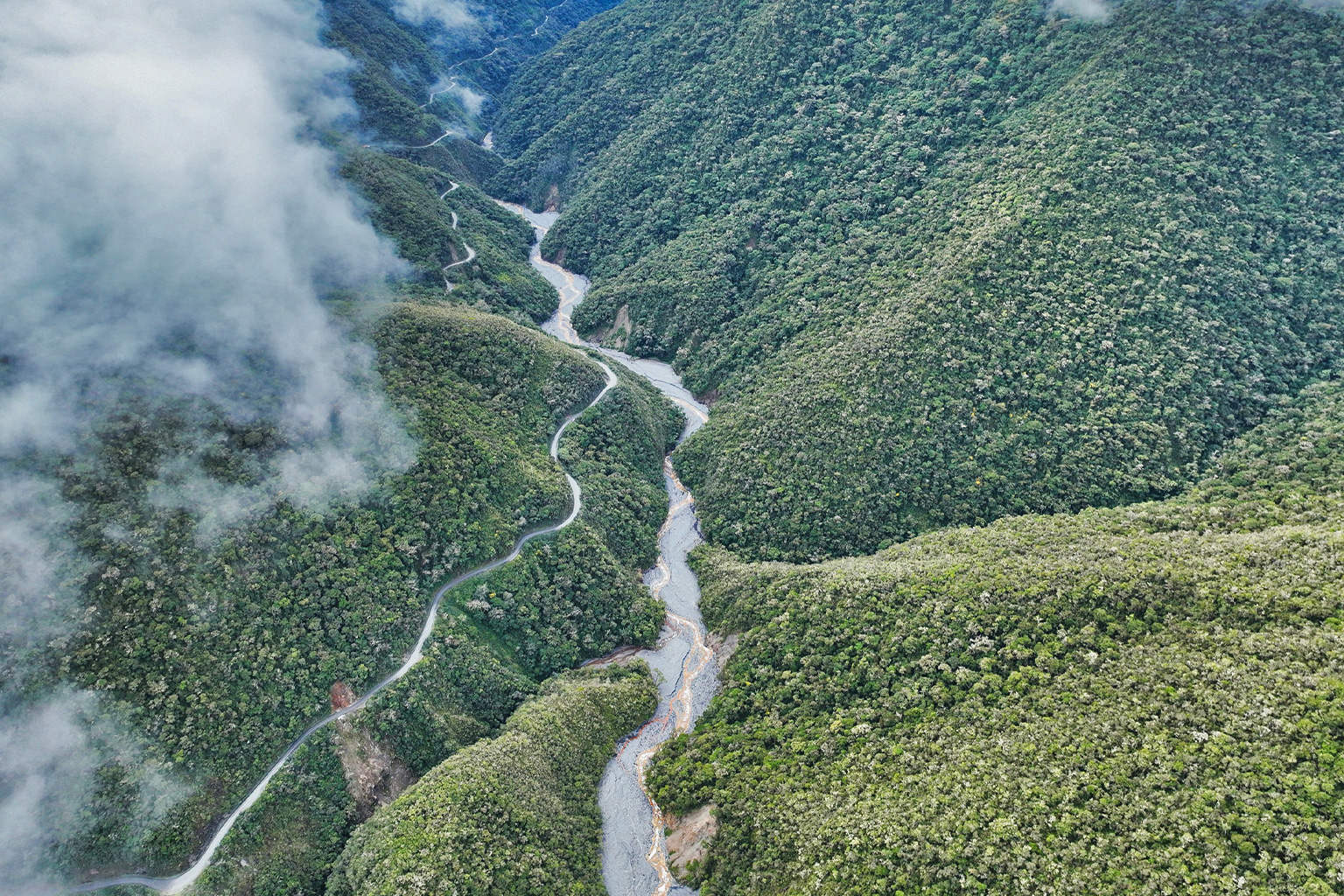
Descend from Andean cloud forest to Amazon jungle over 4 immersive days of wildlife, hiking & river life.
Reserve
Cloud forest at dawn, lowland river by dusk.
Hand-picked by our editors — only the best 5 experiences from 1,840 reviewed.
Verified partners for Manu National Park tours, free cancellation where available, and instant confirmation on every booking.
96 hr
Descend from Andean cloud forest to Amazon jungle over 4 immersive days of wildlife, hiking & river life.
Reserve
72 hr
Venture from the Andes into the Amazon basin — cloud forests, wildlife, kayaking & parrot clay licks await.
Reserve
96 hr
Plunge from Andean cloud forest into the Amazon basin — wildlife, rivers & rainforest await.
Reserve
120 hr
Dive deep into the Peruvian Amazon on a 5-day lodge-to-lodge expedition through Manu National Park.
Reserve
96 hr
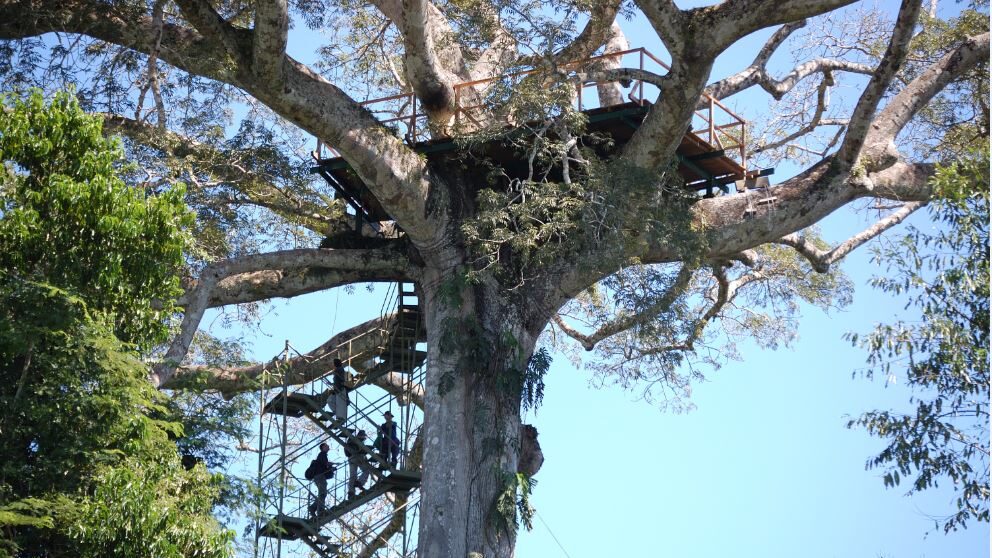
Plunge into the Amazon from Cusco: cloud forests, clay licks, river tubing & a jungle treehouse.
ReservePrices from verified partners. Availability updates in real time at checkout. Free cancellation policies apply where shown.
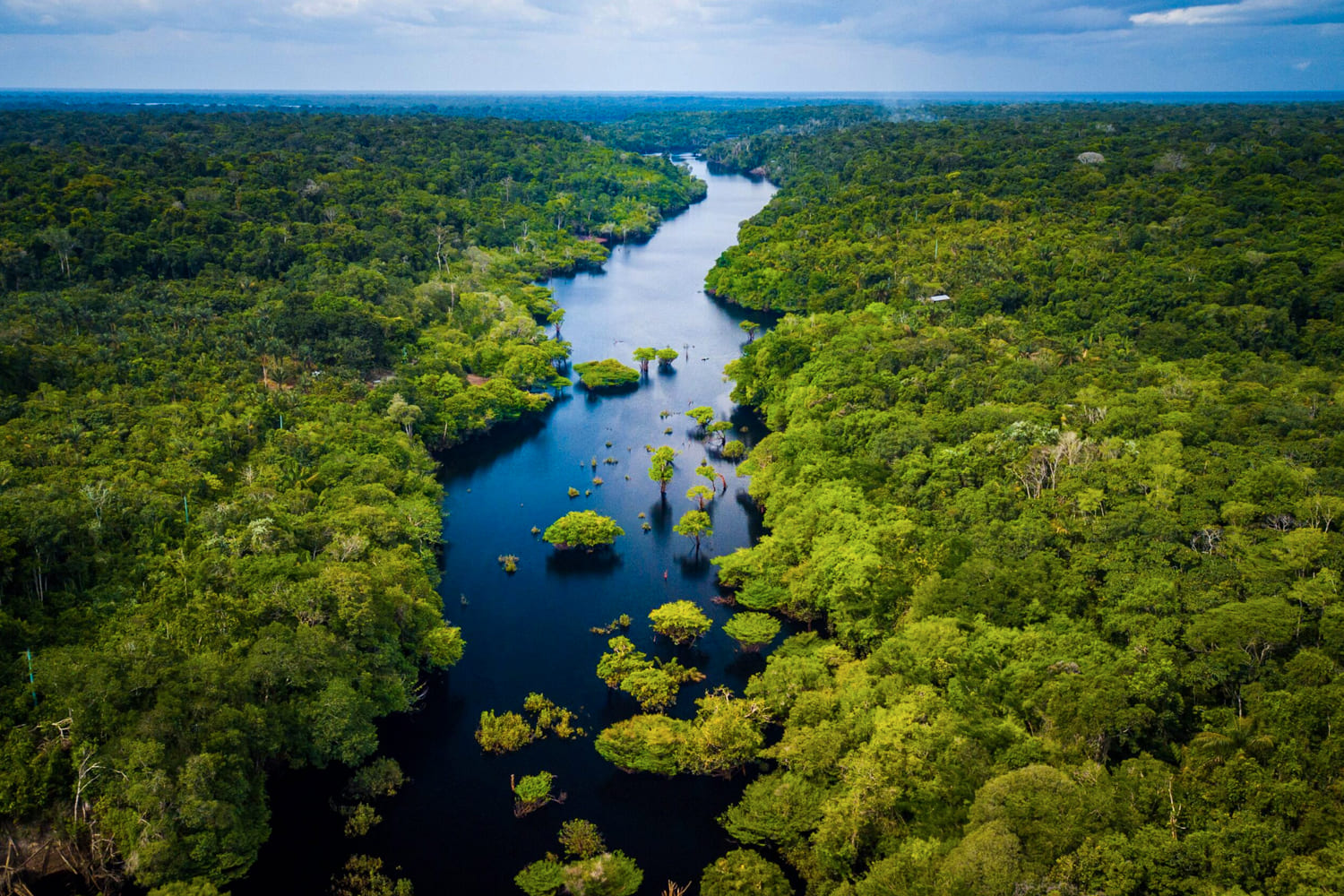
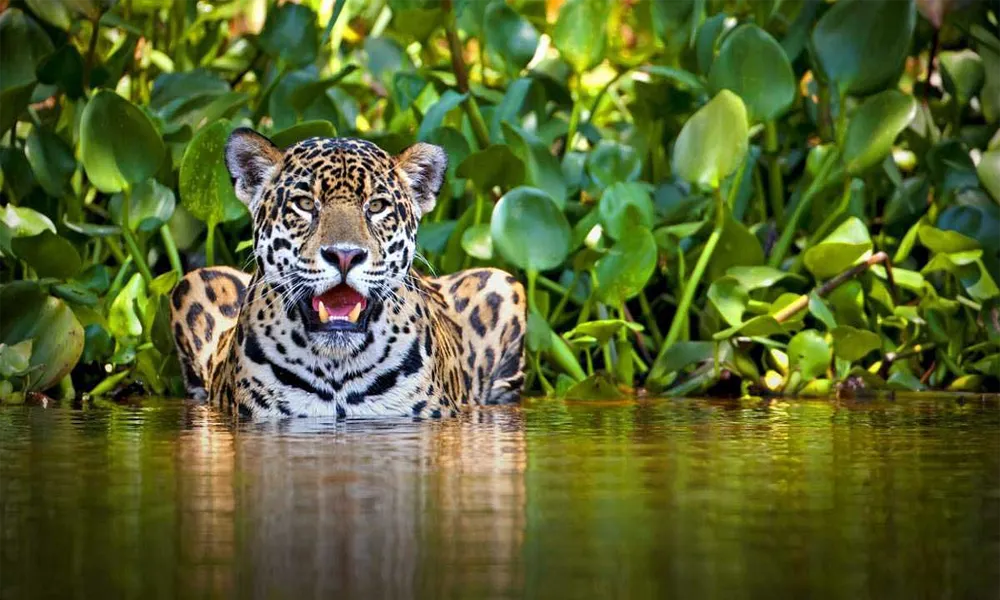
Manu National Park spans roughly 1.7 million hectares, descending from 4,000-metre Andean grassland to lowland Amazon in a single protected gradient. Established in 1973 and named a UNESCO biosphere reserve in 1977, it shelters over a thousand bird species, giant otters, and the seldom-seen jaguar.
The park's vertical reach is what sets it apart. Few cusco landmarks compress so many ecosystems into one corridor — the Acjanaco pass, the cloud forest of Pillcopata, and the Manu River lowlands each hold distinct life. Travelers reach it largely via the manu national park from cusco route, and operators run a cusco to manu national park overland leg before river travel begins. Most arrive on the manu national park 4 day tour, the standard window for the manu national park cusco tour, while smaller manu jungle trips from cusco favor naturalists. The Peruvian Amazon's intact heart, this reserve remains one of Earth's least-disturbed wildernesses.
"Few protected corridors compress Andean grassland and lowland Amazon into a single descent."
A step-by-step walkthrough of Manu National Park tickets — what you'll see, how long each stage takes, and the details that matter.
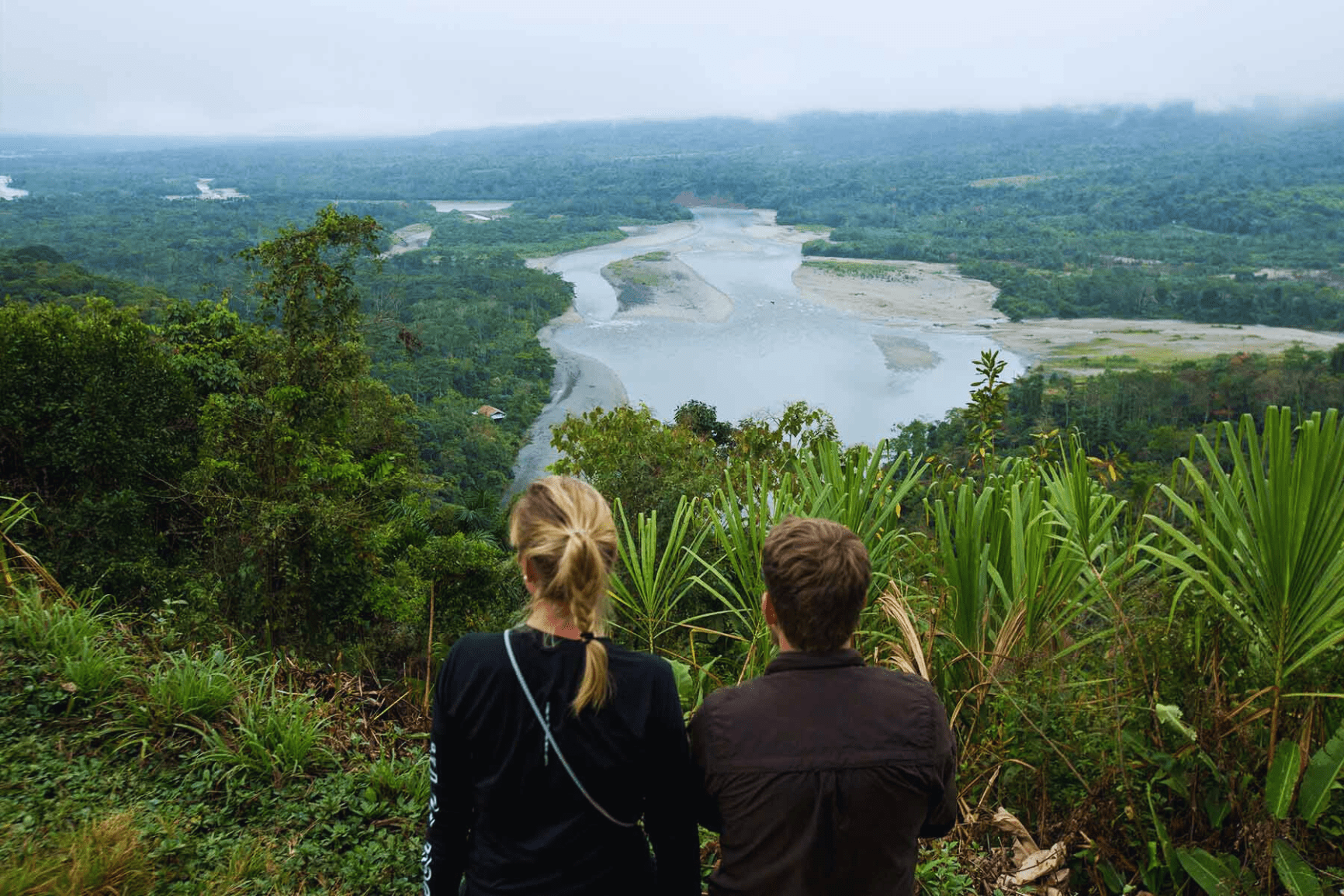
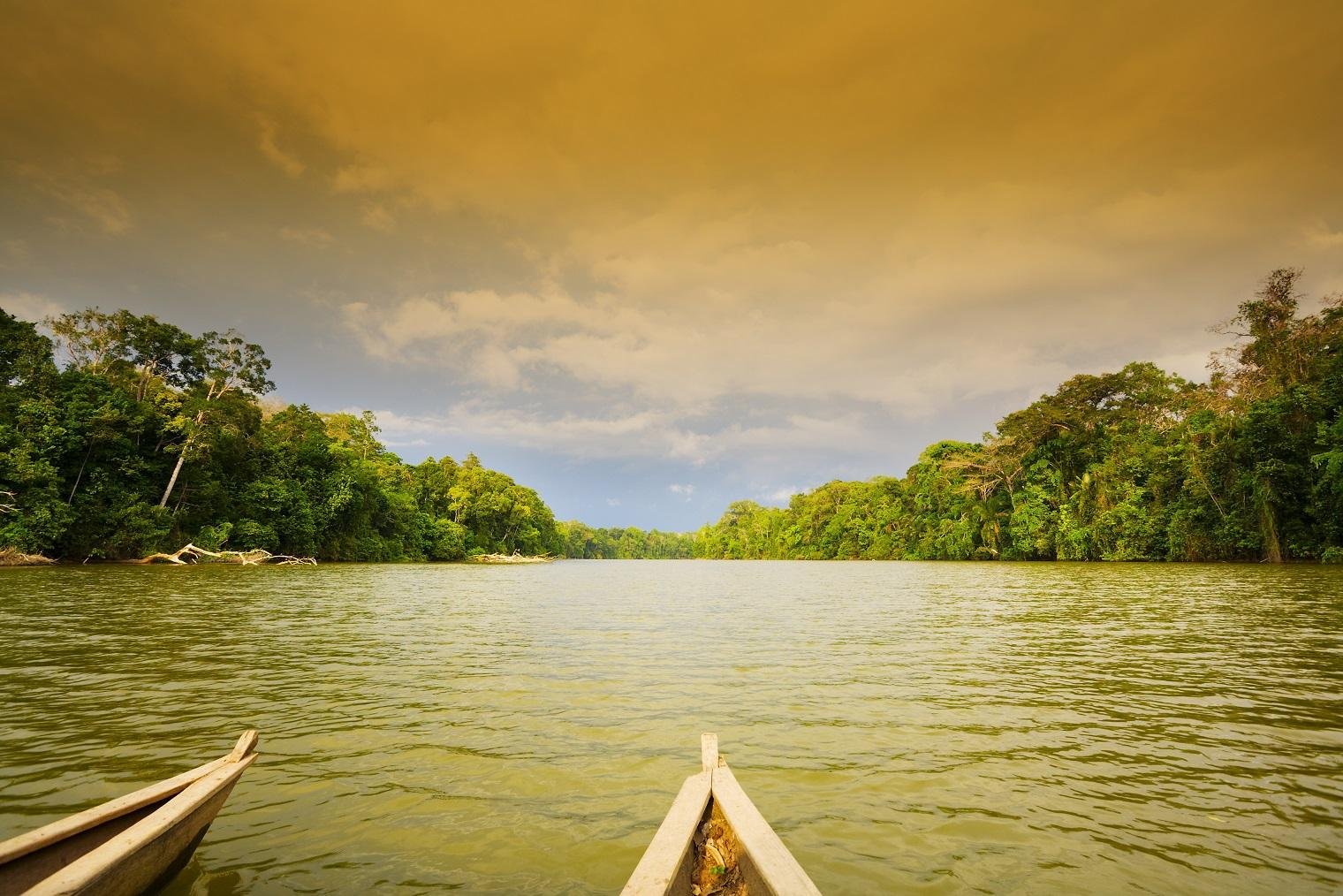
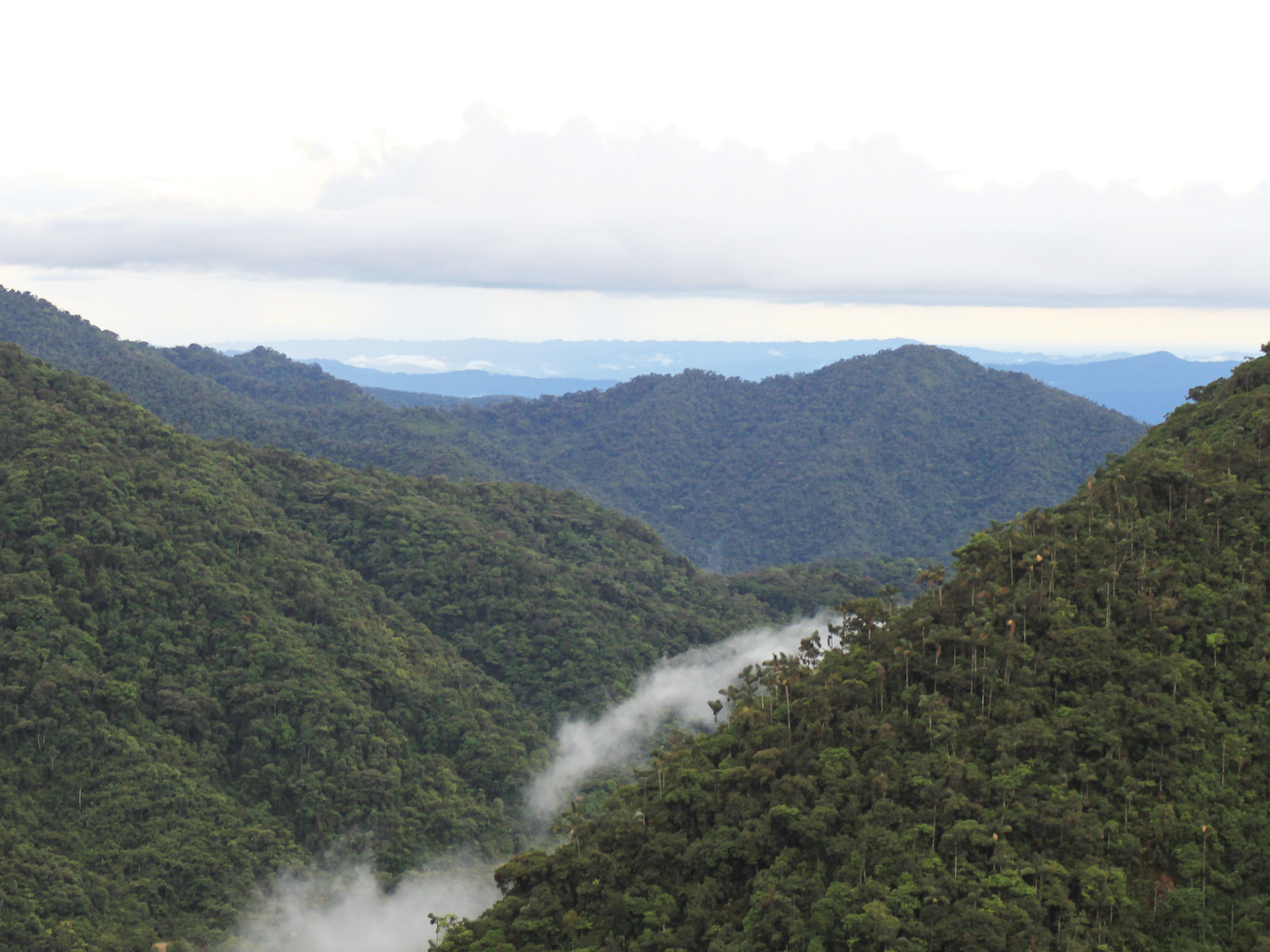
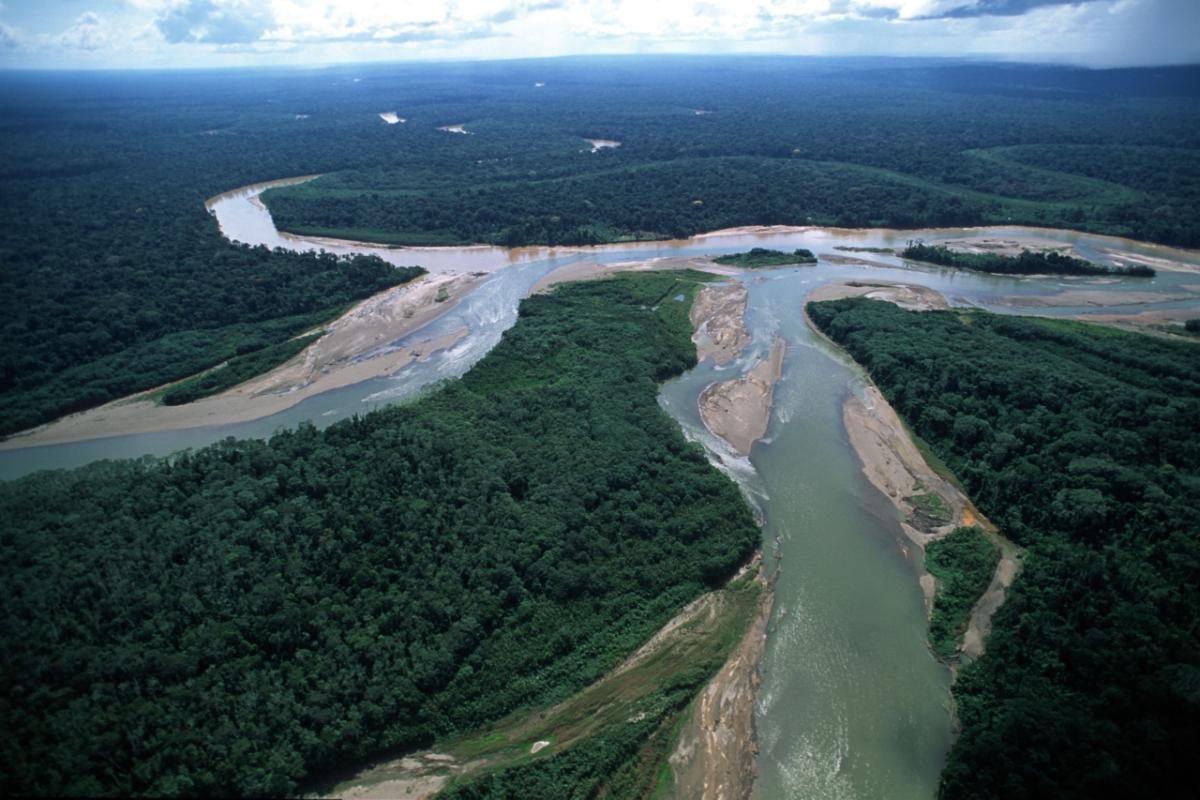
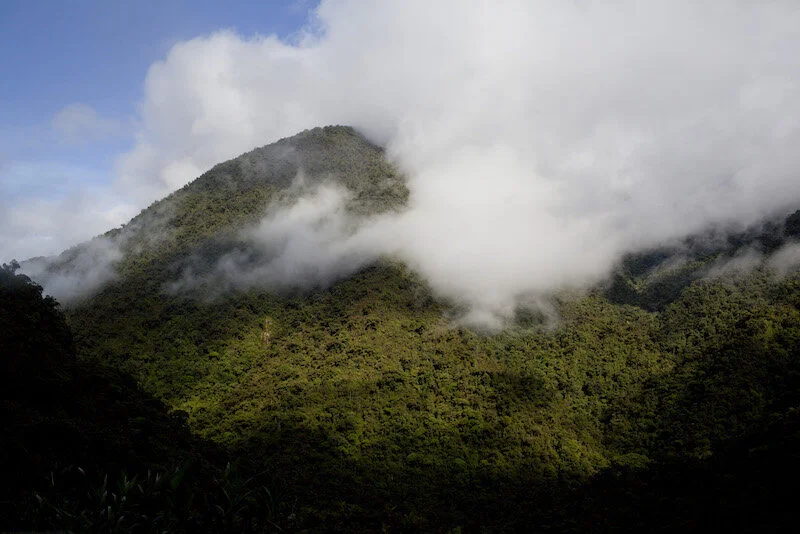
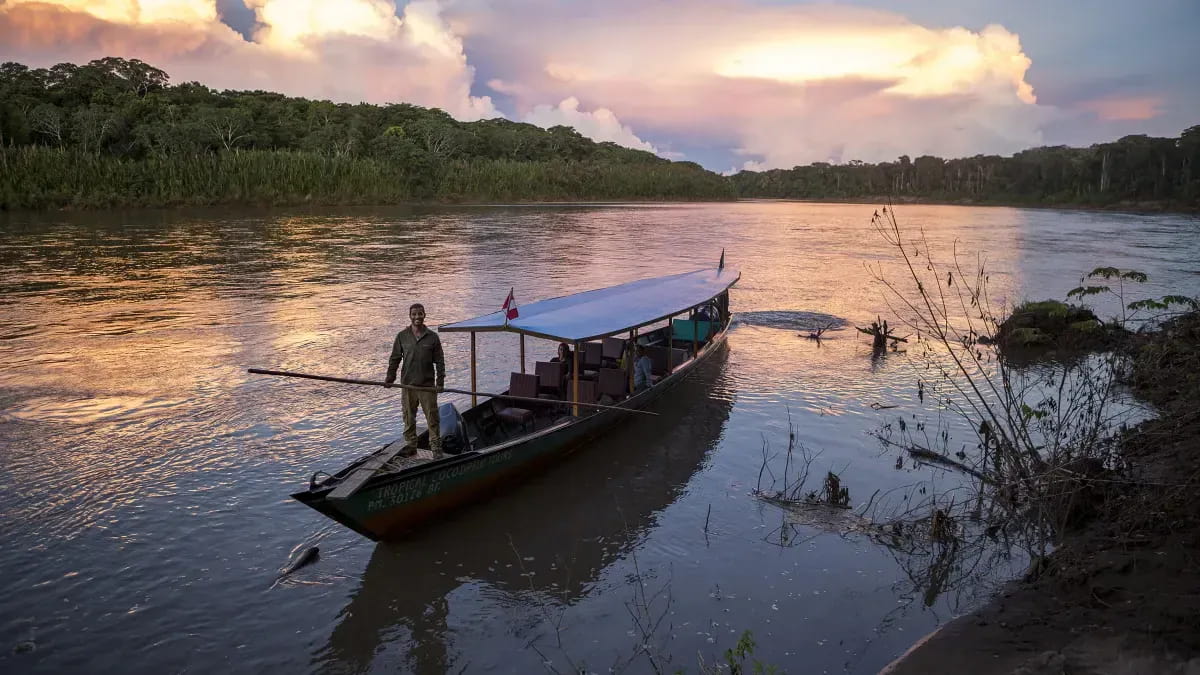
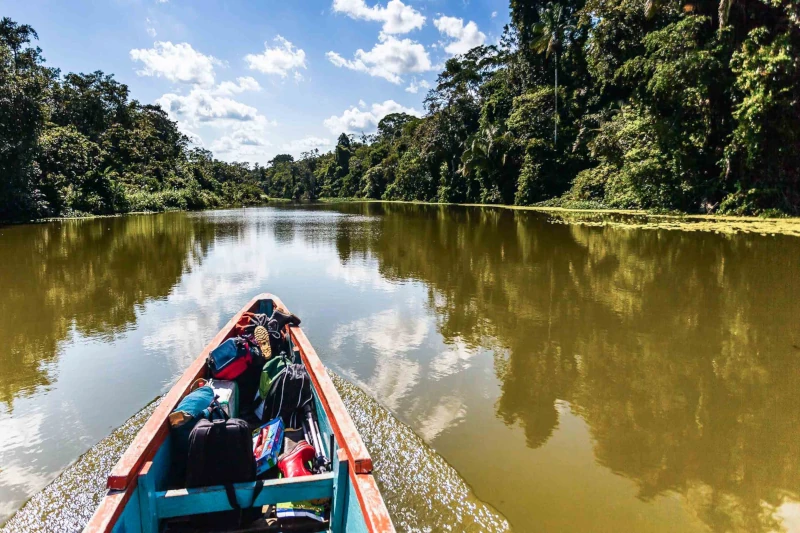
You leave Cusco before light, climb to the Acjanaco pass, then drop through cloud forest where mist beads on the canopy. By afternoon you reach Pillcopata, swap the road for a motorized canoe, and watch the Manu River widen against clay banks.
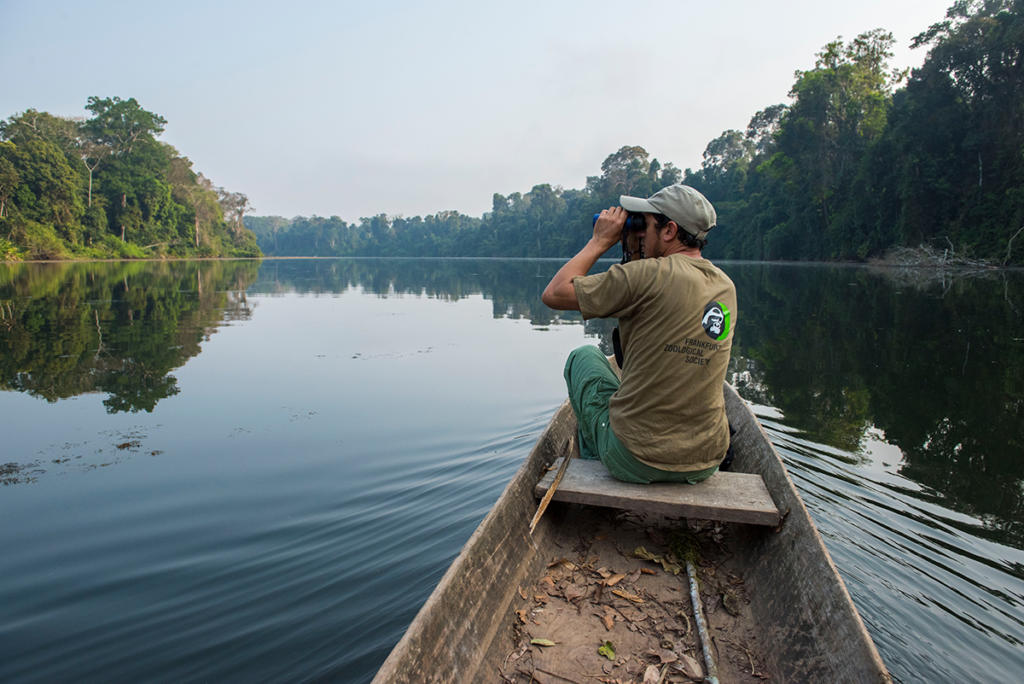
The next dawn rewards the early arrival window of 05:30 to 08:00: macaws gather at the clay lick, capybara graze the shallows, and a guide points out tracks the heat will soon erase. You pause at an oxbow lake, scanning for giant otters, before the midday rain settles the forest. On a manu national park 4 day tour the rhythm repeats — early starts, slow river miles, your binoculars never far from reach inside the reserve.
The landmarks, rooms, and views travelers on Manu National Park tours remember — all visible on a single visit.
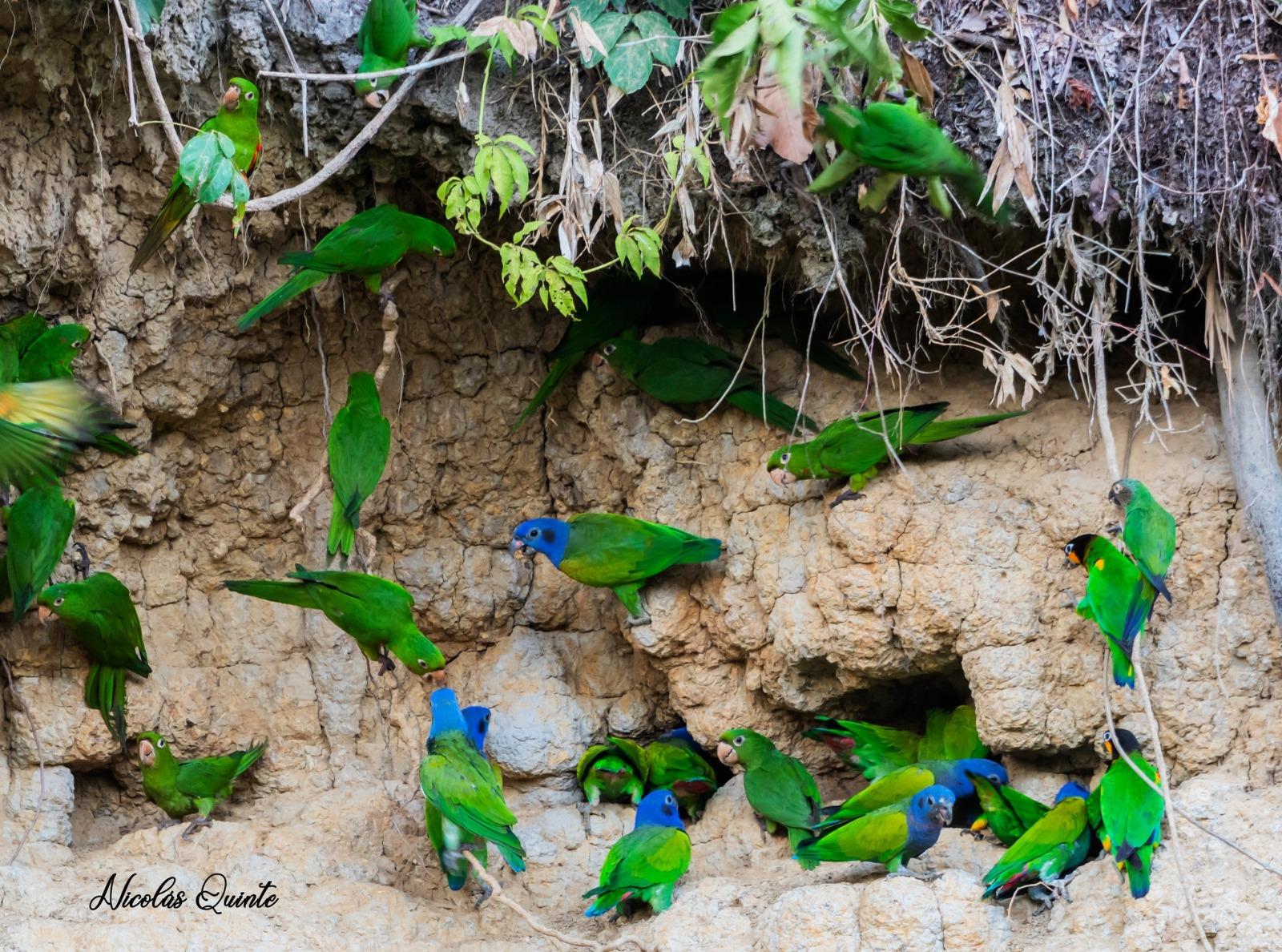
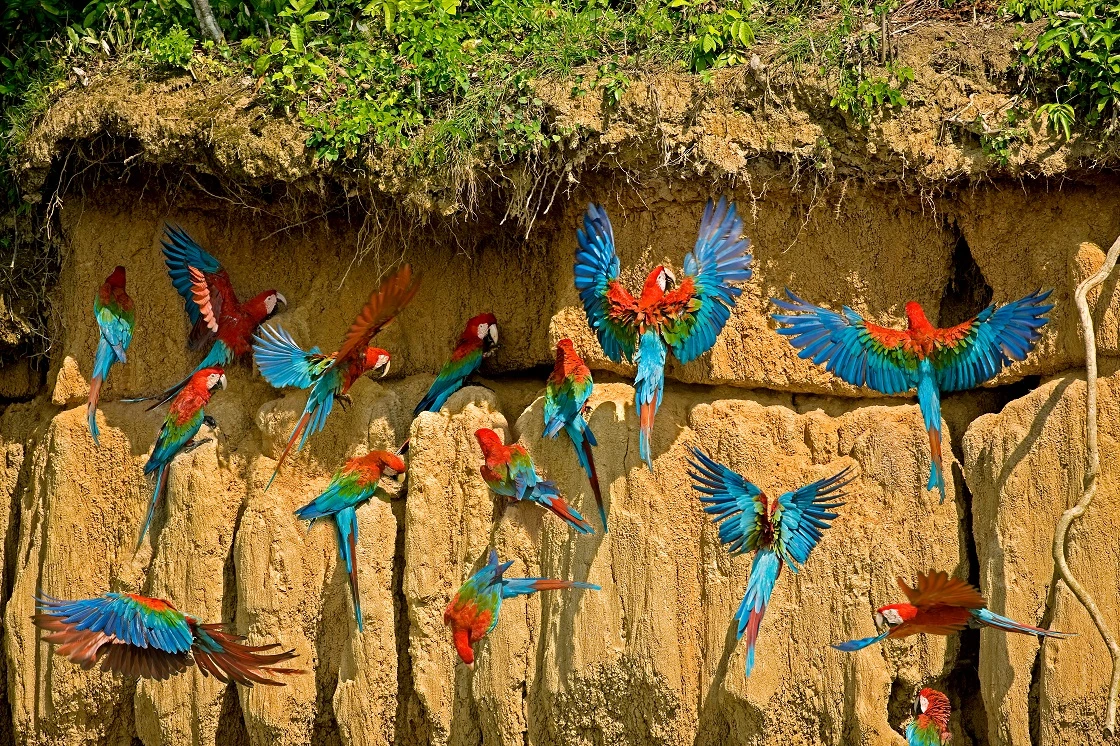
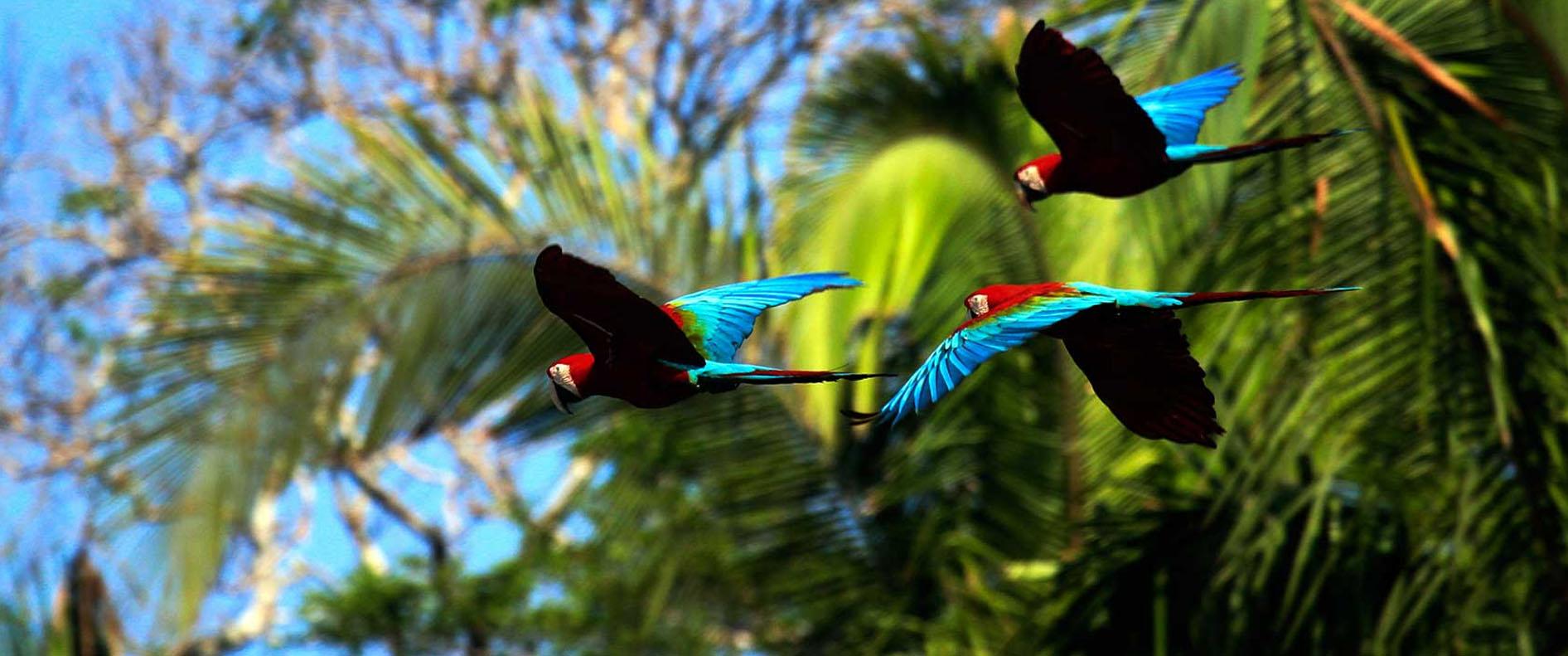
Up to 100 macaws and more than 600 other parrots descend to this mineral-rich clay wall each morning, with the largest flocks typically gathering between 07:00 and 09:00; the Blanquillo site is regarded as one of the most accessible and reliable clay licks in the entire Amazon basin.
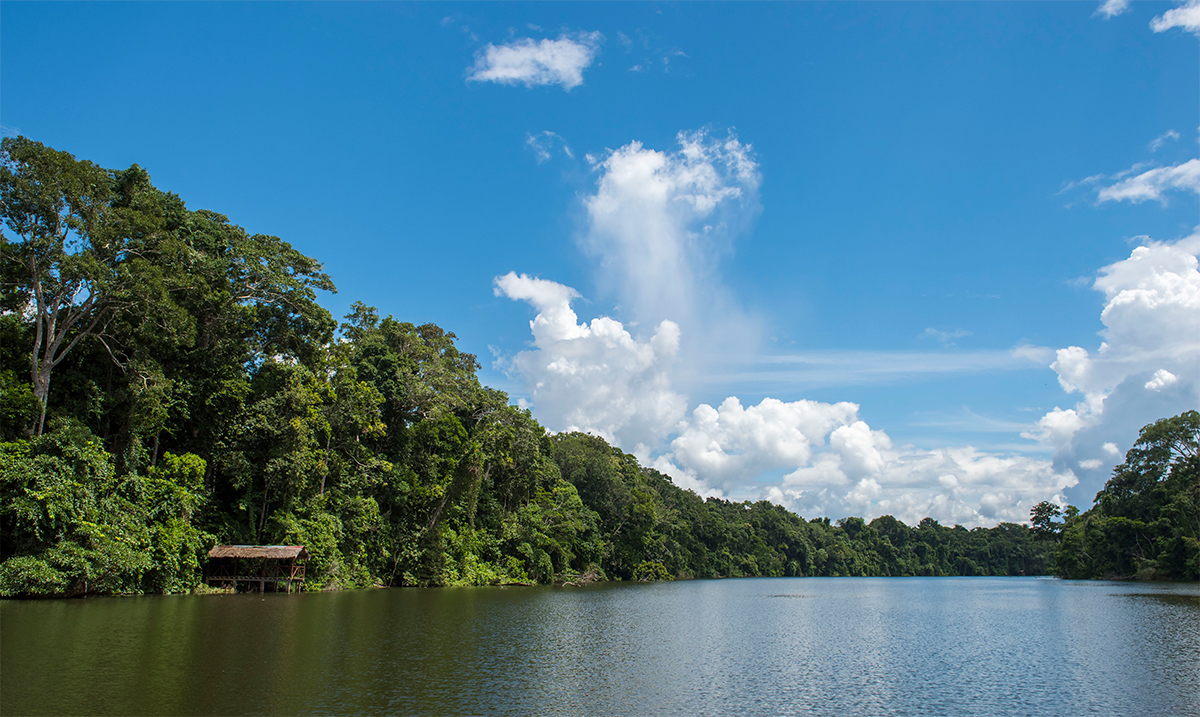
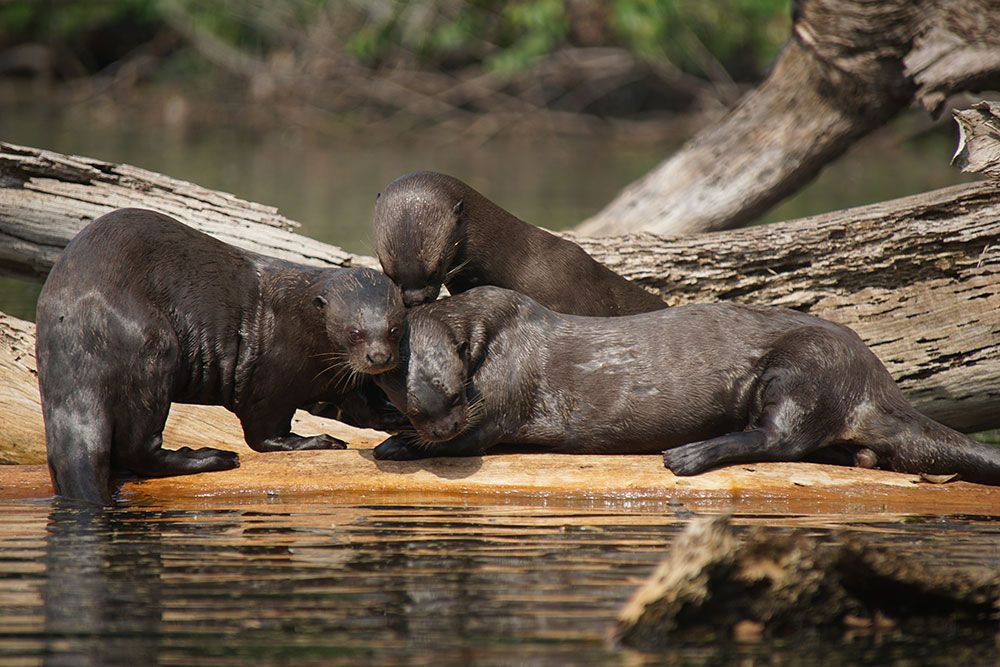
This crescent-shaped oxbow lake in the Reserved Zone supports a resident family of giant river otters — each animal consumes 4–5 kg of fish daily — alongside black caimans, squirrel monkeys, hoatzins, and over 200 recorded bird species around its banks.
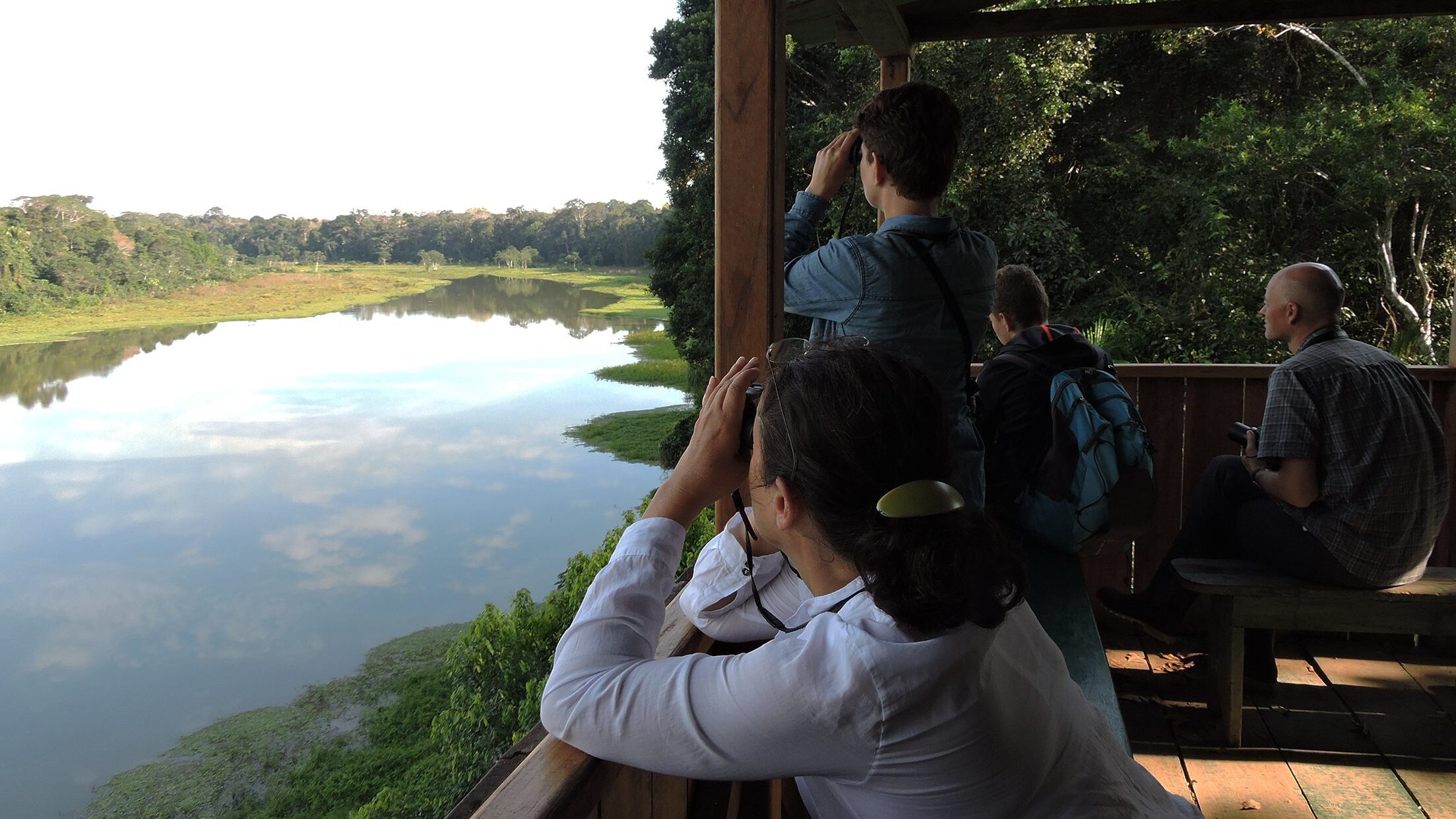
An 18-metre observation tower overlooks Cocha Otorongo lake and the surrounding várzea floodplain; the platform offers some of the clearest canopy-level views in the park and is a reliable station for spotting toucans, harpy eagles, and multiple woodpecker species.
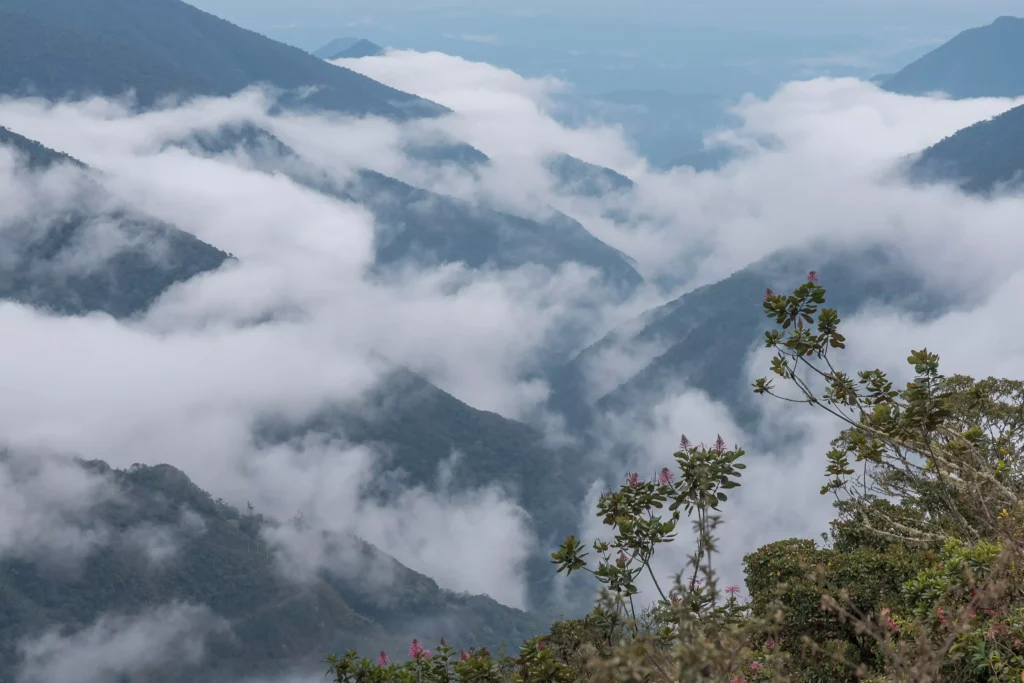
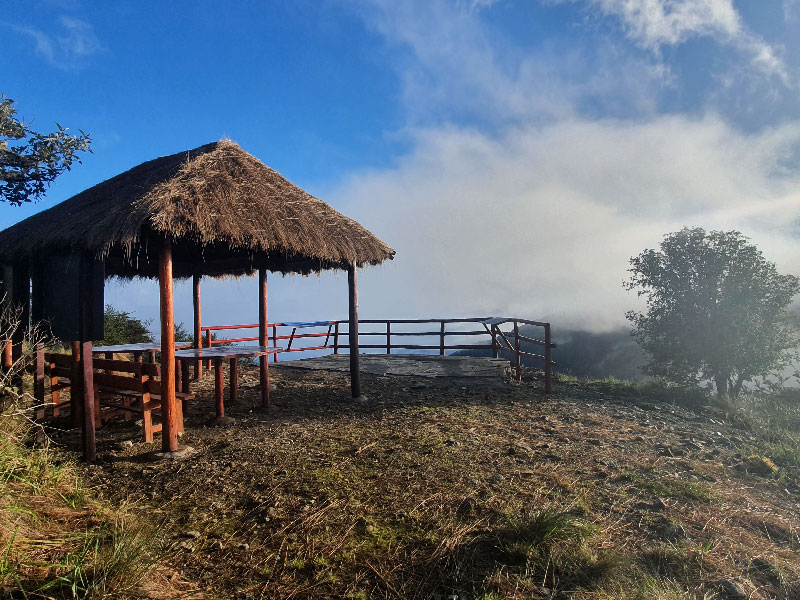
Situated at approximately 3,560 m on the Cordillera Oriental, the Acjanaco pass marks the transition from Andean puna grassland to cloud forest; the Kosñipata valley below it holds rare orchid species and is one of the best sites in Peru for observing the Andean cock-of-the-rock at its leks.
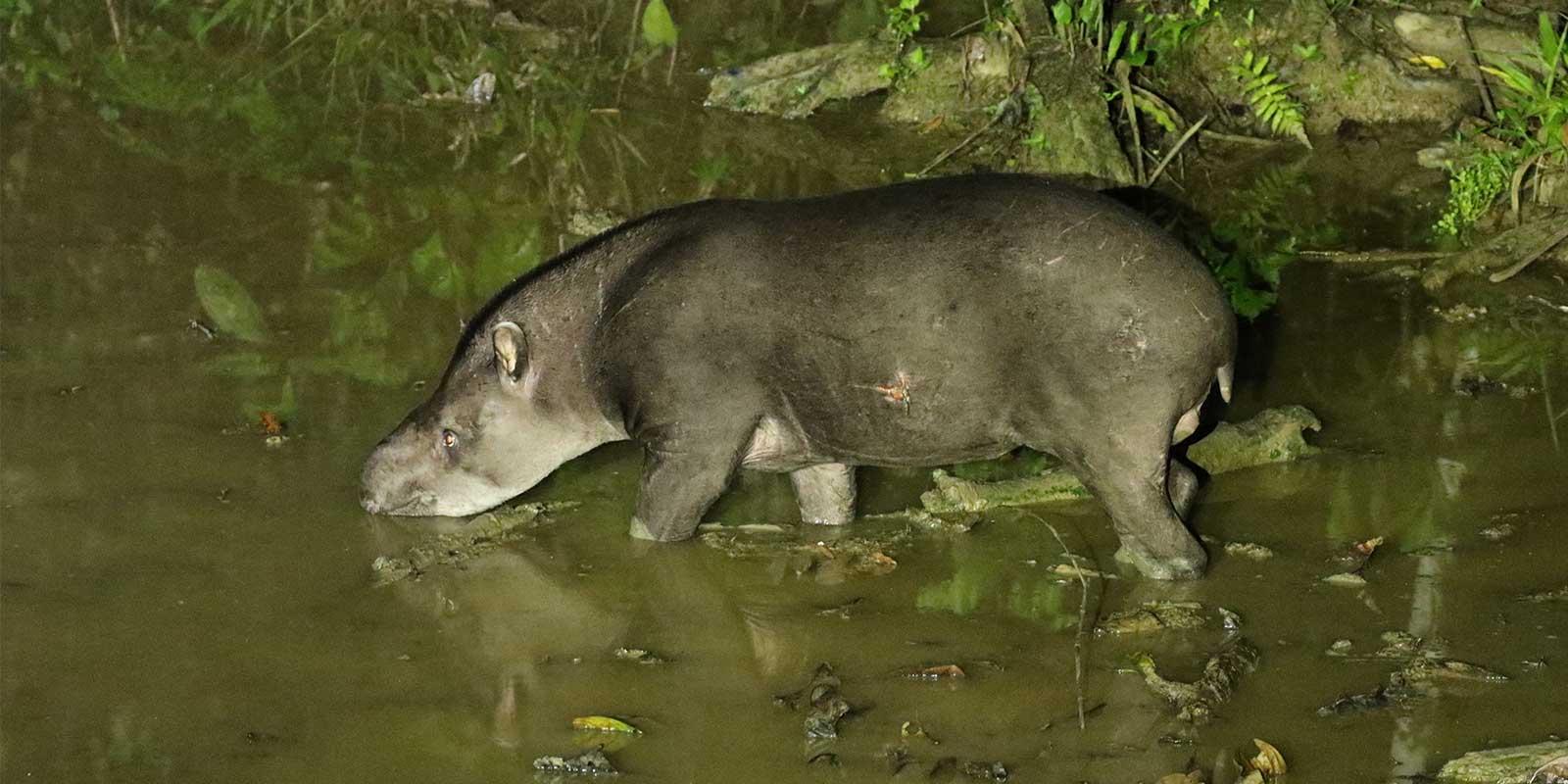
The Manu Wildlife Center's mammal clay lick is described by field guides as the most reliably visited tapir site in the Amazon; Brazilian tapirs weighing up to 300 kg arrive after dark to ingest mineral-rich clay, offering a genuinely rare nocturnal-mammal encounter.
Every Manu National Park tour side-by-side — duration, what's included, how you redeem.
| Experience | From | Duration | Transfers | Pickup | Lunch | Tax inc. | Free cancel. | Price | |
|---|---|---|---|---|---|---|---|---|---|
|
Skip-the-line Most popular
Manu National Park 4-Day Lodge Adventure from Cusco
|
Cusco | 96 hr | — | — | — | — | ✓ | €340 | Book → |
|
Standard Entry
Manu National Park 3-Day Adventure from Cusco
|
Cusco | 72 hr | — | — | — | — | ✓ | €321 | Book → |
|
Guided Experience
Manu National Park 4-Day Amazon Jungle Adventure from Cusco
|
Cusco | 96 hr | — | — | — | — | — | €458 | Book → |
|
Premium Combo
Manu National Park 5-Day Amazon Adventure from Cusco
|
Cusco | 120 hr | — | — | — | — | ✓ | €583 | Book → |
|
Luxury / Private
Manu National Park Treehouse Adventure – 4 Days from Cusco
|
Cusco | 96 hr | — | — | — | — | ✓ | €812 | Book → |
All prices from verified partners. Availability and exact terms confirmed at checkout.
Choose your ticket, select your date, and reserve in under two minutes. Secure checkout handled by our verified partner.
Instant confirmation by email, with a mobile voucher you can save offline. No printing, no queuing at a collection desk.
Arrive at the entrance, show your voucher on your phone, and walk in. Most tickets include priority or skip-the-line access.
Practical details for Manu National Park tickets straight from our verified partners — hours, access, rules, and how to get there.
San Blas or Wanchaq district, Cusco city
Licensed operators depart Cusco in the early morning (typically 04:00–05:00) for the overland leg; confirm exact pick-up point at booking.
Open in Google MapsCusco → Paucartambo → Acjanaco Pass → Atalaya → Boca Manu by road, then motorised canoe along the Alto Madre de Dios and Manu rivers into the Reserved Zone
Shared collective vehicles depart from San Jerónimo district of Cusco toward Pilcopata; onward public transport beyond Atalaya is unreliable
Charter flights from Cusco or Lima to Boca Manu airstrip
Wear lightweight, long-sleeved shirts and long trousers in neutral or dark colours (khaki, olive, grey) to reduce insect exposure and avoid startling wildlife. A fleece or light jacket is essential for cool Andean mornings on the approach road and for cool nights in the lowland jungle, where temperatures can drop to around 12 °C. Sturdy waterproof hiking boots are strongly recommended over trainers, as jungle trails are frequently muddy.
Rangers at the Limonal and Acjanaco checkpoints inspect bags to enforce the park's prohibited-items list; carry all documents (passport, entry permit, vaccination certificate) in an accessible dry bag. Luggage on river-boat segments is transported in dry sacks or waterproof liners — bring your own or ask your operator. There are no left-luggage facilities inside the park, so travel light and leave non-essential items at your Cusco accommodation.
Photography for personal and non-commercial use is permitted throughout manu national park without a special licence. Flash photography is prohibited near nesting birds and nocturnal wildlife on guided night walks, as it disturbs behaviour and can endanger breeding success. Commercial film and drone operations require prior written authorisation from SERNANP; apply well in advance through the official portal at sernanp.gob.pe.
Manu national park is a remote wilderness spanning lowland rainforest, cloud forest, and Andean grassland up to 4,200 m, with no paved internal roads or purpose-built accessibility infrastructure. Boat-based itineraries along the Manu and Madre de Dios rivers are the most accessible option for visitors with limited mobility; the Acjanaco cloud-forest sector involves a short walk on uneven terrain. Travellers with specific mobility requirements should discuss needs with their licensed tour operator well in advance of departure.
There is no mobile phone signal along most of the route from Paucartambo onward into the jungle, and no signal inside the reserved zone. Notify family or contacts of your expected return date before departure and rely on your tour operator's radio communications for emergencies. Download offline maps, bird guides, and medical reference apps before setting off, as in-park internet access is unavailable.
Manu national park tours are suitable for families with children aged eight and above on cultural-zone and lower-basin itineraries; operators generally set a minimum age of 8–10 for multi-day reserved-zone expeditions due to the remote location and physical demands. Children respond well to dawn wildlife-watching at Cocha Salvador oxbow lake and the Blanquillo macaw clay lick, both of which are observed from fixed platforms with no strenuous walking. Confirm family-specific itineraries and age restrictions directly with your chosen licensed operator.
All meals on licensed manu national park tours are provided by the operator and are typically included in the package price; meals feature Peruvian staples alongside fresh jungle produce. Tap or river water must never be consumed without purification — carry iodine tablets or a quality filter as a backup. There are no shops, restaurants, or ATMs inside the park, so carry sufficient cash in Peruvian soles for incidentals before leaving Cusco or Paucartambo.
Domestic animals are not permitted anywhere within Parque Nacional del Manu. The restriction is enforced to prevent the introduction of pathogens and invasive species that could harm the park's unparalleled biodiversity, including its 228 recorded mammal species.
Yellow fever vaccination is strongly recommended for all visitors and may be required by some operators or at entry checkpoints; consult a travel health clinic at least four weeks before departure. Travel insurance that explicitly covers remote-area emergency medical evacuation is essential, as the nearest hospital facilities are in Cusco or Puerto Maldonado. Entry into the Reserved Zone of manu national park is only possible through one of the licensed tour operators authorised by SERNANP; permits are non-transferable and should be booked well in advance, especially for the peak dry-season months of June–September.
San Blas or Wanchaq district, Cusco city
Licensed operators depart Cusco in the early morning (typically 04:00–05:00) for the overland leg; confirm exact pick-up point at booking.
Get directions
Acjanaco Pass, ~3,560 m, Province of Paucartambo, Cusco Region
Permits and entrance tickets for the Acjanaco sector are checked here; S/. 10 fee applies.
Get directions
Boca Manu village, confluence of Alto Madre de Dios and Manu Rivers
Motorised canoes continue from here into the Reserved Zone; rangers verify Reserved Zone permits at the Limonal station further upriver.
Get directionsBest time to go, insider tips, nearby landmarks, and the cancellation fine print — flip through to skim what matters to you.
How crowds, weather, and events shift across the year.
The dry season is the most popular period for manu national park tours: trails are less muddy, clay licks are most active, and lower river levels concentrate wildlife on exposed sandbanks.
The optimal window within the dry season; macaw clay-lick activity is at its height, jaguar and caiman sightings from riverboats increase, and skies are generally clear for photography.
River levels rise, enabling deeper boat penetration; the forest is at its most lush, fruiting trees attract primates and birds to riverbanks, and amphibians and reptiles are highly active — but expect heavy daily rain and muddy trails.
The wettest single month; some lodge operators close for maintenance, making this the least practical window for a manu national park tour.
Small details that turn a good visit into a great one.
Entry permits for the Reserved Zone of manu national park are non-transferable, quota-controlled, and sell out rapidly in July and August. Licensed operators purchase these from the SERNANP office in Cusco and include them in tour packages; confirm this before paying a deposit.
The canonical arrival window of 05:30–08:00 is especially important at clay licks and oxbow lakes, where animal activity peaks at first light before the canopy heats up. Late arrivals frequently miss the macaw aggregation at Blanquillo entirely.
There are no ATMs between Paucartambo and Puerto Maldonado. Withdraw sufficient soles in Cusco (or at the Banco de la Nación in Paucartambo) to cover tips, incidentals, and any emergency purchases for the entire duration of your trip.
River sections on manu national park tours expose all gear to spray and occasional heavy rain; a 20-litre dry bag protects camera equipment, documents, and clothing. Zip-lock bags inside a day pack are not a reliable substitute on multi-hour boat journeys.
Certain areas of the park are inhabited by indigenous communities including the Matsiguenka, Harakmbut, Yine, and the voluntarily isolated Mashco-Piro. Rangers and guides will indicate boundaries that must not be crossed; photography of community members without explicit consent is prohibited.
The overland approach to manu national park crosses the Acjanaco Pass at approximately 3,560 m. Spending at least two nights acclimatising in Cusco (3,400 m) before departure significantly reduces the risk of altitude sickness during the long road journey.
Non-bookable sights within a short walk — free to visit, easy to pair.
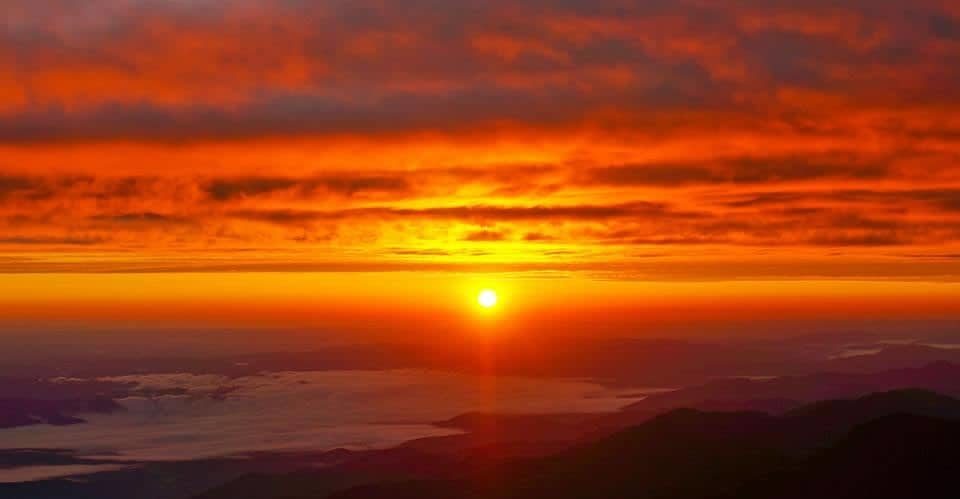
One of only two places on Earth where a rare atmospheric sunrise phenomenon — a flattened, multi-layered solar disc — is regularly observed over the Amazon cloud forest.
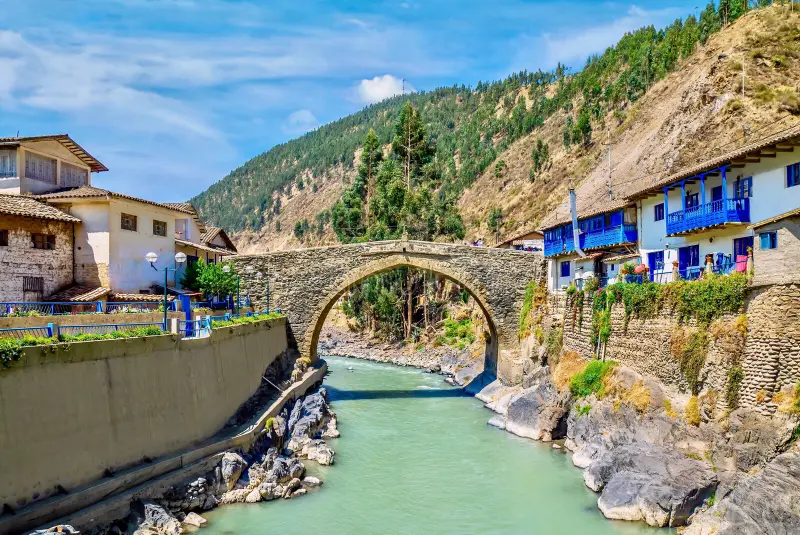
A well-preserved colonial town straddling the Mapacho River, famous for its stone bridge and the annual Virgen del Carmen festival in July.
A biodiversity corridor connecting Andean grassland with lowland rainforest, home to rare orchids, glass frogs, and the Andean cock-of-the-rock.
A private ecolodge within the Amarakaeri Reserved Zone noted for the world's largest recorded tapir clay lick and a resident giant-otter lake.
Flexible, no hidden fees.
Most licensed tour operators require cancellation at least 30 days before departure for a full refund of the tour package cost, excluding the non-refundable park entrance fee of 150 PEN (Manu River lower basin sector, per person). Cancellations within 30 days typically result in forfeiture of a deposit; confirm specific terms with your operator at the time of booking.
Hand-picked options within walking distance — pick a district for vibe, or a specific hotel for convenience.
Ecolodge in the Amarakaeri Reserved Zone with canopy tower access and the most reliably visited tapir clay lick in the Amazon.
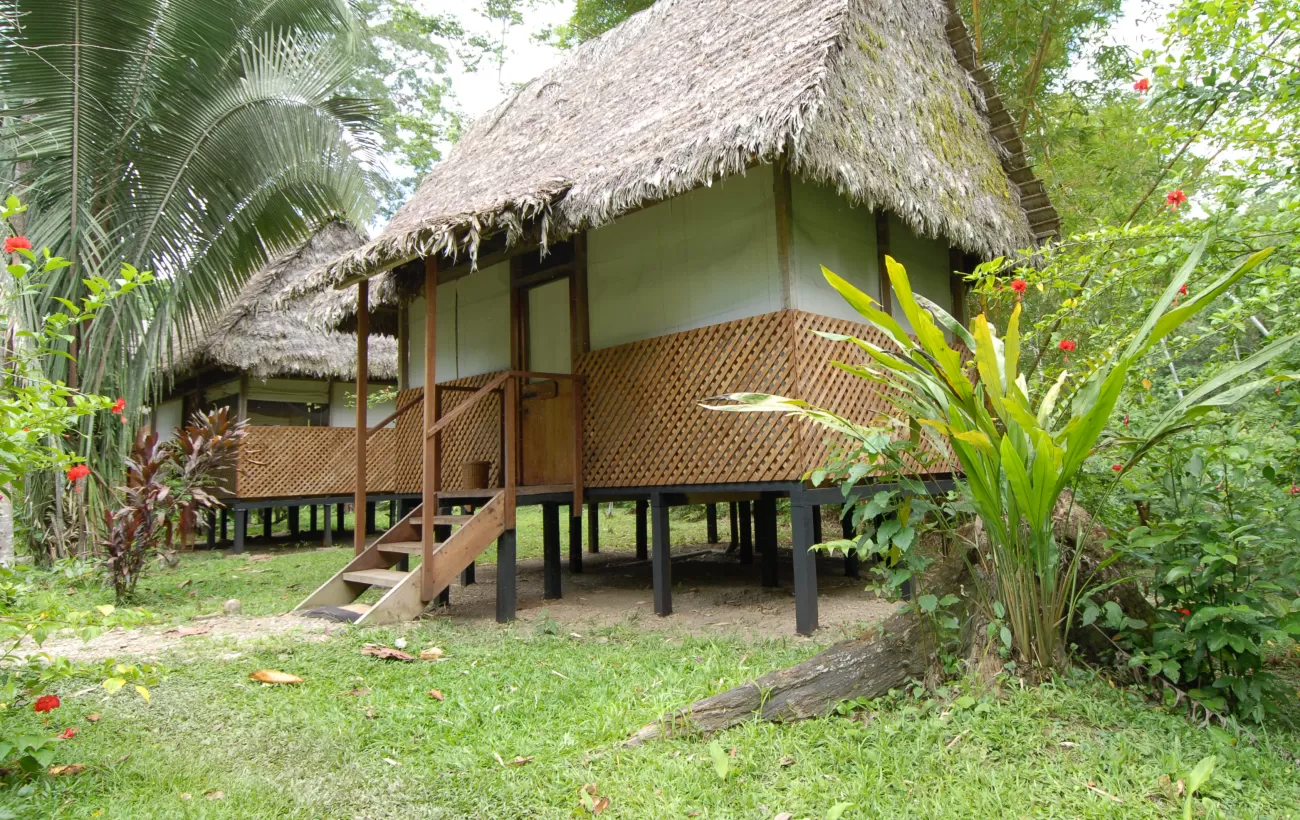
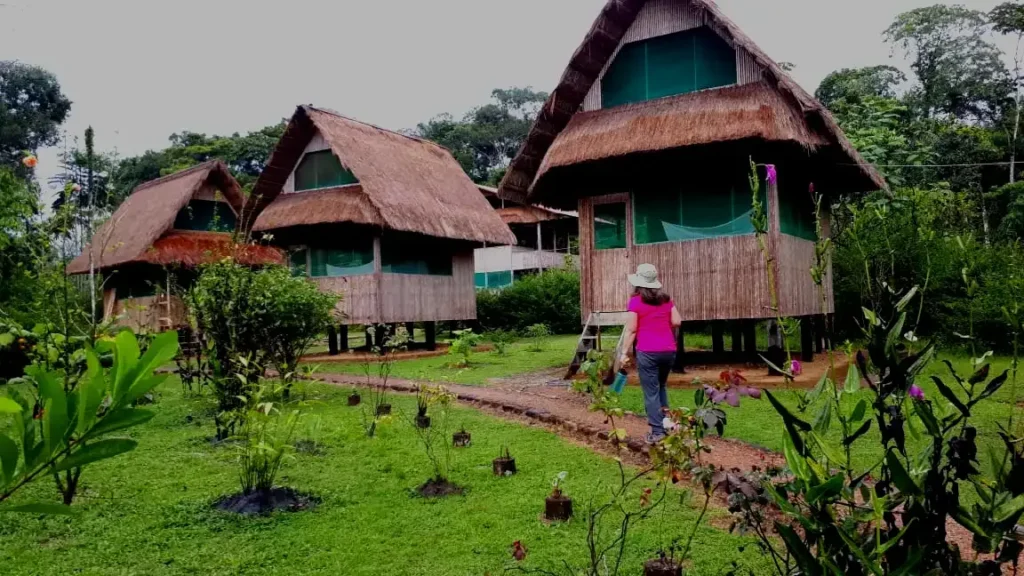
Community-run lodge operated by the Matsiguenka people inside the park, positioned near Cocha Salvador and Cocha Otorongo.
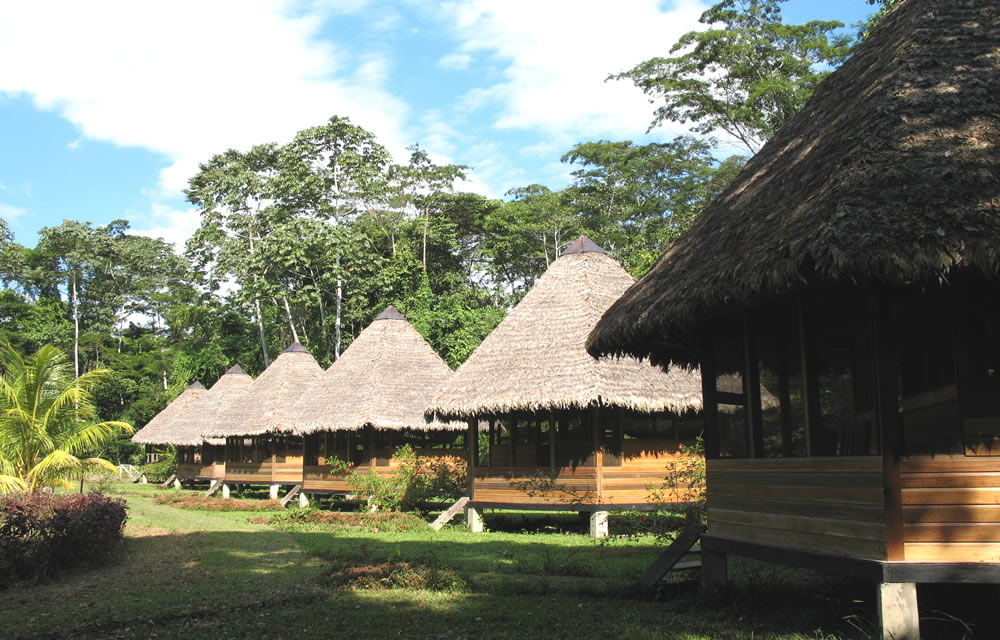
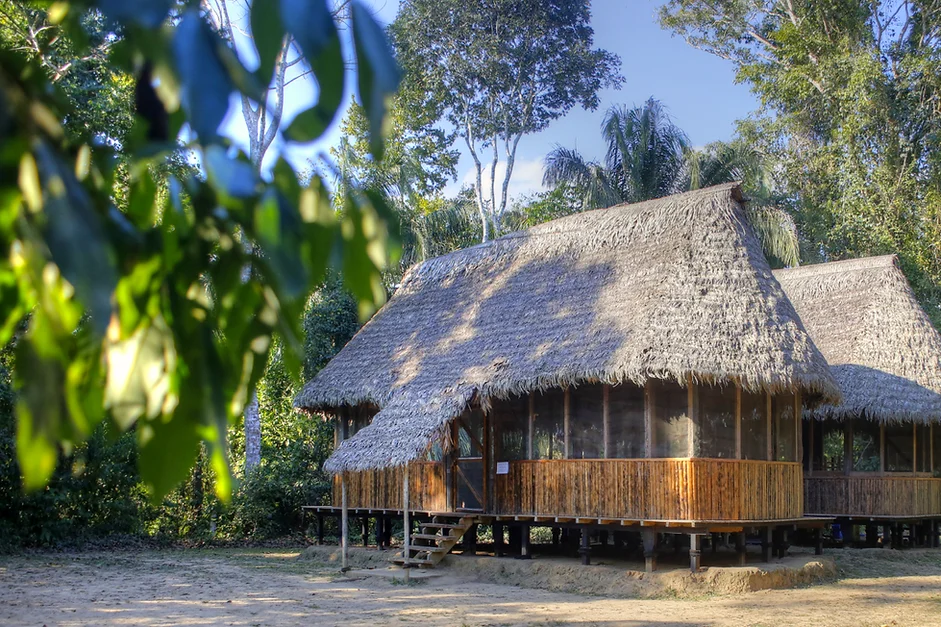
Jungle lodge with direct access to the Blanquillo macaw clay lick; guides lead pre-dawn walks for optimal viewing.
Basic family-run accommodation in the last road-accessible settlement before the jungle begins; useful as an overnight stop on multi-day overland itineraries.
The park territory itself is accessible 00:00–23:59 every day of the year, as it is an open wilderness spanning provinces of Paucartambo (Cusco) and Manu (Madre de Dios). Practical access is governed by tour-operator schedules; most Manu national park tours depart Cusco between 04:00 and 05:00 to reach key wildlife sites during the optimal 05:30–08:00 morning window.
The entrance fee for the Manu River lower basin sector is 150 PEN per person, valid for 5 days. The Acjanaco cloud-forest sector carries a separate fee of S/. 10. Licensed tour operators typically purchase these permits on behalf of guests and include them in the package price — confirm this when booking.
The dry season from May to October is the most productive period for spotting mammals and birds at clay licks and oxbow lakes, when lower river levels concentrate wildlife on exposed sandbanks. June through August sits in the peak window; macaw activity at Blanquillo clay lick is highest during August to October, with somewhat reduced activity in May and June.
Yes. Entry into the Reserved Zone of this UNESCO World Heritage park requires a permit that can only be arranged through one of the SERNANP-licensed tour operators. Independent entry into the core zone is not permitted; all visitors must be accompanied by an authorised guide.
Essentials include a valid passport and entry permit, yellow fever vaccination certificate, DEET insect repellent (30–50%), dry bags, a headlamp with spare batteries, binoculars, personal first-aid kit with malaria prophylaxis, and sufficient cash in Peruvian soles — there are no ATMs inside the park.
The park is a remote jungle wilderness with no purpose-built accessibility infrastructure; internal trails are uneven and often muddy. Boat-based itineraries along the Manu and Madre de Dios rivers are the most accessible option for visitors with limited mobility, and operators can tailor routes when advised of requirements in advance.
Photography for personal use is freely permitted throughout the Parque Nacional del Manu. Flash photography is prohibited near nesting birds and during guided night walks. Commercial filming and drone operations require prior written authorisation from SERNANP — apply through sernanp.gob.pe well ahead of your visit.
All meals on licensed tours are provided by the operator and are included in package prices; menus feature Peruvian cuisine and fresh jungle produce. There are no shops, restaurants, or ATMs inside the park, so carry all cash and personal snacks from Cusco or Paucartambo before entry.
Most operators require written cancellation at least 30 days before departure for a full package refund, excluding the non-refundable 150 PEN park entrance fee per person. Cancellations within 30 days typically result in partial or full loss of deposit; specific terms vary by operator and should be confirmed in writing at the time of booking.
The standard route from Cusco combines 8–12 hours of road travel via Paucartambo and the Acjanaco Pass with a motorised canoe journey along the Alto Madre de Dios and Manu rivers to reach the Reserved Zone. Charter flights from Cusco to Boca Manu airstrip reduce travel time to about 40 minutes for the aerial leg. Most visitors arrange transport through their licensed manu national park tour operator.
Families with children aged eight and above are generally well catered for on cultural-zone and lower-basin itineraries. Activities such as dawn wildlife-watching from floating catamarans at Cocha Salvador and observing the Blanquillo macaw clay lick from fixed platforms involve no strenuous hiking. Operators set varying minimum age limits for the full reserved-zone expedition; confirm before booking.
The park holds over 1,000 bird species (approximately 10% of the world's total), 228 mammal species, and 287 recorded reptile and amphibian species — the highest count for any protected area globally. Signature sightings include giant river otters at Cocha Salvador, scarlet and red-and-green macaws at Blanquillo clay lick, Brazilian tapirs at nocturnal mammal clay licks, black caimans, and 13 primate species including the emperor tamarin.